
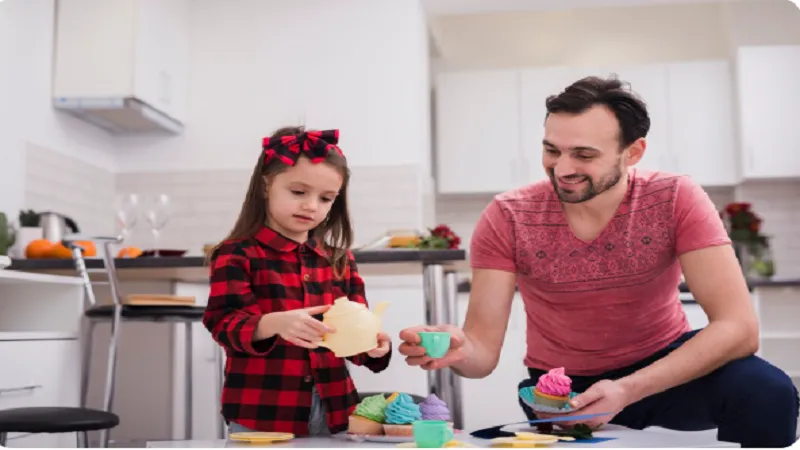
Parenting is one of the most meaningful and challenging responsibilities in life. Every child is unique, and there is no single method that works for every family. However, learning practical strategies can help parents create a positive environment where children feel loved, supported, and encouraged to grow. This guide shares parenting tips fpmomlife that focus on building healthy relationships, teaching life skills, and creating a happy family atmosphere.
Why Positive Parenting Matters
Positive parenting tips fpmomlife is based on respect, communication, and understanding. Instead of relying on punishment, it encourages teaching children through patience and guidance. Children who grow up in supportive homes often develop stronger confidence, better emotional control, and healthier relationships.
Parents do not have to be perfect. Small daily efforts, such as listening carefully and spending quality time together, can make a significant difference in a child’s emotional development.
Build Strong Communication
Open communication creates trust between parents and children. Encourage your child to express thoughts, feelings, and concerns without fear of criticism.
Some simple ways to improve communication include:
- Listen without interrupting.
- Maintain eye contact.
- Ask open-ended questions.
- Show empathy toward their feelings.
- Respond calmly during disagreements.
Children who feel heard are more likely to seek advice from their parents as they grow older.
Spend Quality Time Together
Children value attention more than expensive gifts. Even a few minutes of meaningful interaction each day can strengthen family relationships.
Ideas for quality family time include:
- Reading books together.
- Playing board games.
- Cooking meals as a family.
- Going for evening walks.
- Talking about everyone’s day during dinner.
These activities create lasting memories while strengthening emotional bonds.
Set Clear Rules and Boundaries
Children need structure to feel secure. Establish simple household rules that are easy to understand and consistently enforce.
Examples include:
- Respect everyone in the family.
- Complete homework before screen time.
- Clean up after playing.
- Speak politely to others.
- Follow bedtime routines.
Consistency helps children understand expectations and develop responsibility.
Encourage Independence
As children grow, they should learn to complete age-appropriate tasks independently. Allowing children to make small decisions builds confidence and problem-solving skills.
You can encourage independence by:
- Letting them choose their clothes.
- Teaching them to organize their school bag.
- Giving simple household chores.
- Allowing them to solve minor conflicts.
- Praising their efforts instead of only their results.
These experiences prepare children for future responsibilities.
Teach Emotional Intelligence
Helping children recognize and manage emotions is an important parenting tips fpmomlife skill. Emotional intelligence supports healthy friendships, academic success, and personal growth.
Teach children to:
- Identify different emotions.
- Express feelings respectfully.
- Practice deep breathing when upset.
- Show empathy toward others.
- Solve problems calmly.
Parents who model emotional control teach valuable lessons through their own behavior.
Create Healthy Daily Routines
A predictable routine helps children feel secure and organized. Healthy habits also improve physical and emotional well-being.
A balanced daily routine may include:
- Regular wake-up times.
- Nutritious meals.
- Homework time.
- Outdoor play.
- Family conversations.
- Consistent bedtime.
Simple routines reduce stress and encourage discipline.
Limit Screen Time
Technology is useful, but excessive screen use can affect sleep, concentration, and family interaction.
Parents can create healthier habits by:
- Setting daily screen limits.
- Encouraging outdoor activities.
- Keeping devices away during meals.
- Creating screen-free family time.
- Monitoring online content.
Balanced technology use helps children develop healthier lifestyles.
Encourage Reading
Reading improves vocabulary, creativity, imagination, and learning ability. Children who develop reading habits often perform better academically.
Ways to encourage reading include:
- Visit the local library.
- Read bedtime stories.
- Allow children to choose books they enjoy.
- Create a comfortable reading space.
- Read together regularly.
Reading also strengthens parent-child connections.
Lead by Example
Children learn more from observing their parents than from instructions alone. Demonstrating kindness, honesty, patience, and responsibility encourages children to adopt the same behaviors.
Practice positive habits by:
- Speaking respectfully.
- Keeping promises.
- Managing stress calmly.
- Showing gratitude.
- Helping others.
Good role models inspire lifelong values.
Praise Effort Instead of Perfection
Children gain confidence when parents recognize effort rather than focusing only on achievements.
Instead of saying:
“You are the smartest.”
Try saying:
“I’m proud of how hard you worked.”
This approach encourages resilience, persistence, and a growth mindset.
Teach Responsibility
Assigning age-appropriate responsibilities helps children become dependable and independent.
Examples include:
- Making their bed.
- Feeding a pet.
- Watering plants.
- Organizing toys.
- Helping set the dinner table.
Small responsibilities build important life skills.
Support Learning Every Day
Education extends beyond the classroom. Everyday experiences provide valuable learning opportunities.
Parents can encourage learning by:
- Exploring nature.
- Visiting museums.
- Doing simple science experiments.
- Cooking together.
- Discussing current events in age-appropriate ways.
Curiosity encourages lifelong learning.
Handle Mistakes with Patience
Mistakes are opportunities for growth. Instead of reacting with anger, guide children toward understanding what happened and how to improve.
Helpful steps include:
- Stay calm.
- Explain why the behavior was inappropriate.
- Discuss better choices.
- Encourage accountability.
- Offer reassurance and support.
Learning from mistakes builds maturity.
Take Care of Yourself
Parents often focus entirely on their children while forgetting their own well-being. Self-care allows parents to remain patient, energetic, and emotionally available.
Healthy self-care habits include:
- Getting enough sleep.
- Eating balanced meals.
- Exercising regularly.
- Taking short breaks.
- Asking for support when needed.
Healthy parents create healthier families.
Building a Loving Home Environment
Children thrive in homes where they feel safe, accepted, and appreciated. Small daily actions create strong family relationships.
Simple ways to build a loving home include:
- Saying “I love you” often.
- Celebrating achievements.
- Respecting each family member.
- Sharing meals together.
- Laughing and enjoying family traditions.
A warm home environment supports emotional security and confidence.
Final Thoughts
Every family has its own parenting journey. There will be successes, challenges, and opportunities to learn along the way. The goal is not perfection but continuous growth, patience, and love. By applying parenting tips fpmomlife consistently, parents can build stronger relationships, encourage healthy development, and prepare children for a confident future. Remember that small daily actions often have the greatest impact. As you continue practicing parenting tips fpmomlife, your family can grow together with trust, respect, and lasting happiness.
Learn More: https://fpmomlifeadvice.com/